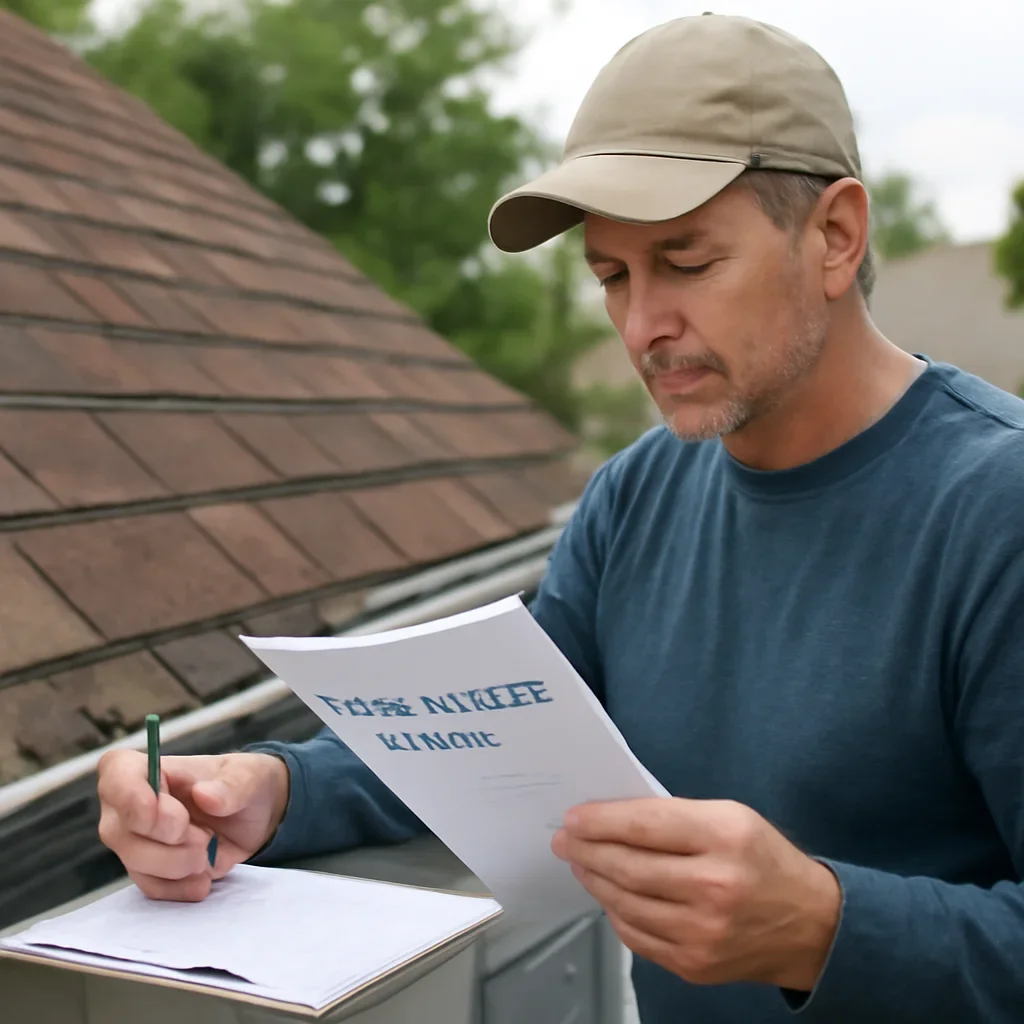
Safety comes first
Do not climb onto a damaged roof without the right conditions and experience. Start with safe visual checks and documentation.


Roof Inspection Checklist After a Storm breaks a common roofing insurance question into plain language so you can understand the moving parts before you act. It is built for homeowners and property managers doing a first-pass review after storm weather who want practical guidance without filler.
Roof Inspection Checklist After a Storm matters when you want a practical answer before you make a repair, claim, or coverage decision. This guide is written for homeowners and property managers doing a first-pass review after storm weather and focuses on a roof inspection checklist after a storm in plain language.
Month 5 • TOFU
Do not climb onto a damaged roof without the right conditions and experience. Start with safe visual checks and documentation.
Flashing, gutters, vents, interior ceilings, attic signs, and detached debris can all help tell the story.
Storm date, discovery date, mitigation steps, and who inspected the roof are all useful details.
Use the guide practically
The point of this article is to help you understand the moving parts before you make a coverage, contractor, or claim decision.
Once the question becomes specific, use the related pages below to move into the dedicated support, comparison, or quote path that fits your situation.
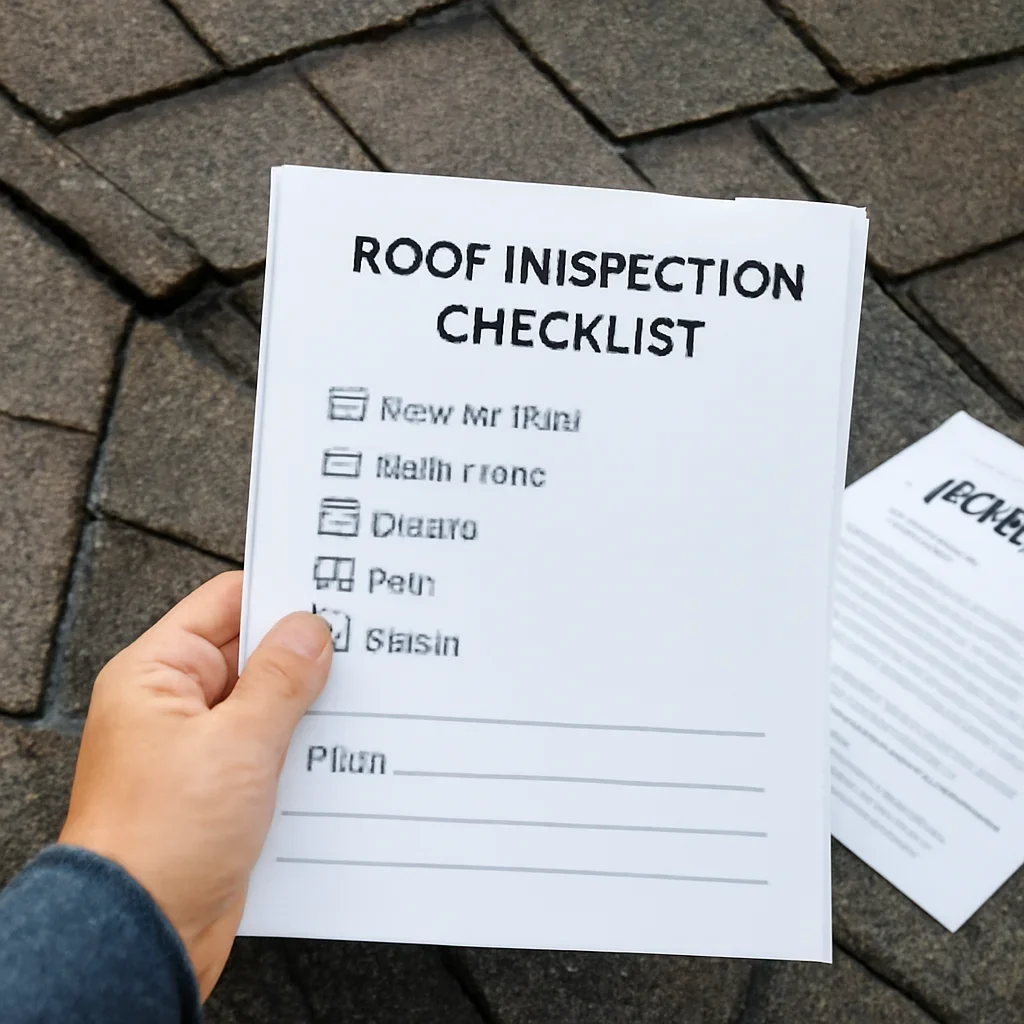
Editorial hub for roofing insurance education and updates
Broad explainer of roof insurance coverage, exclusions, and triggers
Overview hub for roof insurance claims and claim scenarios
Comparison hub for carriers, coverage options, and decision pages
Visible roof damage, debris, interior leaks, displaced flashing, gutters, and any urgent exposure points.
If it is safe to do so, attic moisture or daylight can provide important clues.
No. It helps organize your findings before a contractor or adjuster reviews the roof.
Next step